
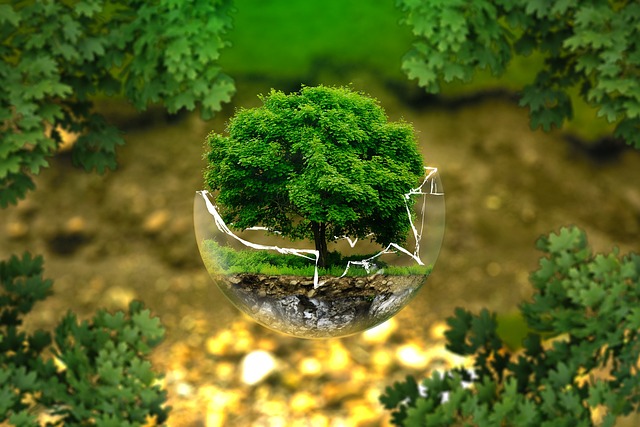
The health of our planet directly affects the health of people. Pollution, deforestation, and climate change contribute to rising diseases, poor air quality, and food insecurity. Teaching students about environmental health creates awareness of how human actions shape the world—and empowers them to become responsible global citizens.
Environmental health education in schools helps students understand the vital connection between personal wellbeing and the environment that sustains life.
What is environmental health education?
Environmental health education explores how environmental factors—air, water, soil, food, and ecosystems—affect human health. It combines science, ecology, and social responsibility to teach sustainable living practices.
Its goals include:
-
Raising awareness about pollution and waste
-
Encouraging clean habits and conservation
-
Promoting sustainable resource use
-
Inspiring eco-friendly community initiatives
Why it matters in modern education
The 21st century faces critical environmental challenges: global warming, plastic waste, water shortages, and biodiversity loss. Students must learn not only scientific facts but also how to act responsibly.
Environmental education cultivates:
-
Critical thinking: Understanding cause-and-effect relationships in ecosystems.
-
Problem-solving: Designing solutions to reduce pollution.
-
Empathy and ethics: Caring for nature and future generations.
-
Community engagement: Leading green projects in schools and neighbourhoods.
Health impacts of environmental issues
A polluted environment can lead to asthma, skin diseases, allergies, and even cancer. Contaminated water spreads infections; excessive noise or heat affects mental health. Teaching these links encourages healthier lifestyle choices and community advocacy for cleaner surroundings.
Integrating sustainability in schools
Schools can lead by example:
-
Use recycling programmes to teach waste segregation.
-
Promote tree-planting and garden projects for air purification and food education.
-
Reduce plastic use by encouraging refillable bottles and eco-lunchboxes.
-
Celebrate Earth Day with clean-up events and student-led campaigns.
These small actions nurture environmental responsibility and teamwork.
Subjects that support environmental health education
-
Science: Exploring pollution and climate systems.
-
Geography: Understanding human–environment relationships.
-
Health education: Discussing how clean water and air prevent disease.
-
Art: Creating posters and campaigns for sustainability.
Cross-curricular teaching ensures environmental awareness becomes part of every learning experience.
Technology and innovation
Modern students can use digital tools to study environmental data, map local pollution, or join global sustainability challenges. Gamified learning—such as recycling apps or eco-competitions—keeps engagement high while reinforcing lessons.
Benefits of environmental health education
-
Greater environmental awareness among youth
-
Improved school hygiene and waste management
-
Healthier, greener campus environments
-
Lifelong sustainable behaviour
-
Stronger sense of global responsibility
Conclusion
Teaching environmental health is teaching life itself. By connecting classroom learning to the real world, schools prepare students to become stewards of both human and environmental wellbeing. Sustainability starts with education — and each student can be part of the solution.
Disclaimer: This article is intended for educational purposes and not as professional environmental policy advice.