
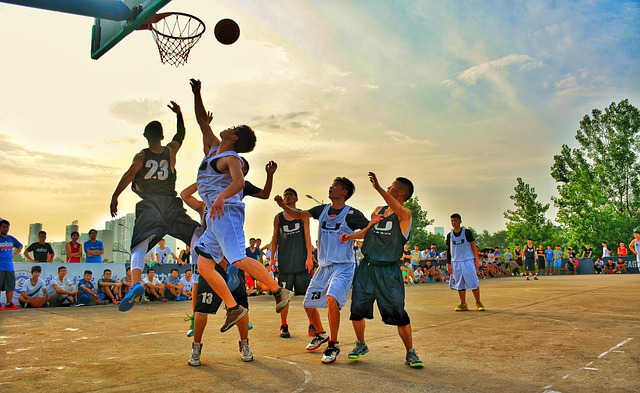
In today’s digital age, where children spend hours on screens and sit for long periods, physical education (PE) is more important than ever. PE isn’t just about sports or competition—it’s a cornerstone of student health, fostering both physical and mental wellbeing. Regular movement builds strength, coordination, confidence, and lifelong habits that protect against obesity, heart disease, and even anxiety or depression.
Schools that integrate effective physical education create healthier, more focused, and more motivated learners.
The meaning and purpose of physical education
Physical education is a structured part of the school curriculum that teaches students how to move efficiently, safely, and enjoyably. It encourages participation in physical activities ranging from running, gymnastics, swimming, and dance to team sports like basketball or soccer.
The primary goals of PE include:
-
Promoting physical fitness and strength
-
Developing motor skills and coordination
-
Teaching teamwork, discipline, and leadership
-
Encouraging mental resilience and stress relief
-
Instilling lifelong healthy habits
Physical benefits of PE
-
Improved cardiovascular health: Regular aerobic activity strengthens the heart and lungs.
-
Stronger muscles and bones: Weight-bearing exercises help prevent future osteoporosis.
-
Better posture and flexibility: Regular stretching and core exercises improve body alignment.
-
Weight management: Active students are less likely to suffer from childhood obesity.
-
Enhanced immune function: Regular activity supports body defense systems.
These benefits not only protect health but also support better academic performance.
Mental and emotional benefits
Physical education is strongly linked to mental health. Exercise triggers the release of endorphins—“feel-good” chemicals that reduce stress and boost mood. It also improves concentration, memory, and self-esteem.
Studies show that students who participate in regular physical activity perform better academically and demonstrate improved behaviour, confidence, and emotional regulation.
The role of teachers
PE teachers are more than just sports instructors—they are role models in promoting balance, perseverance, and teamwork. Effective educators design inclusive programmes that motivate all students, not just athletes. This includes:
-
Adapted activities for students with disabilities
-
Non-competitive options such as yoga or dance
-
Lessons about nutrition and health awareness
Challenges in implementing PE
Some schools struggle to prioritise PE due to academic pressures or limited space and resources. However, integrating even short bursts of activity—like 10-minute movement breaks—can significantly impact focus and productivity.
Community support, government policies, and investment in school facilities are key to maintaining strong physical education programmes.
Creating lifelong impact
When students experience the joy of movement, they are more likely to stay active as adults. PE teaches discipline, resilience, teamwork, and the importance of self-care—all essential skills beyond the classroom.
Conclusion
Physical education is a foundation for healthy living. By prioritising PE, schools prepare students not only for academic success but also for a lifetime of fitness, wellbeing, and confidence.
Disclaimer: This article provides general information and should not replace medical advice.