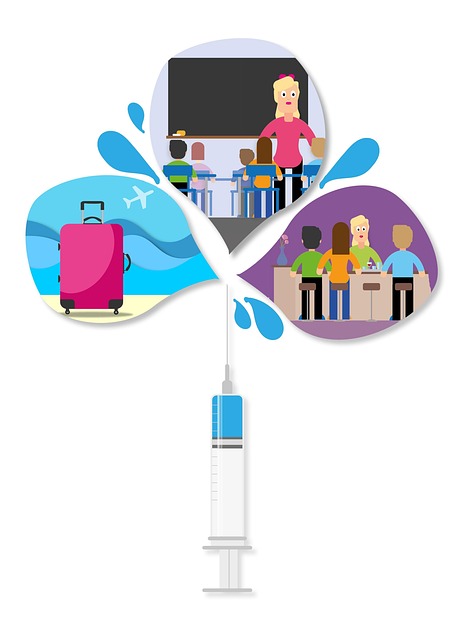
Vaccination is one of the most successful public health interventions in history, saving millions of lives every year. Yet, misinformation and fear still cause hesitancy in some communities. Teaching students about vaccination early helps them understand science-based facts, dispel myths, and become informed citizens who make responsible health decisions. Schools play a vital role in shaping knowledge and attitudes that support widespread immunity and public safety.
Understanding vaccination
A vaccine trains the immune system to recognise and fight specific germs (bacteria or viruses) without causing disease. When vaccinated, the body builds immunity — protection that lasts months or years. This process helps individuals avoid severe illness and prevents diseases from spreading in the community.
Vaccines are not only for individual protection but also for community health. When enough people are vaccinated, diseases struggle to spread — a concept known as herd immunity.
Why education matters
Many people hesitate about vaccines because of misinformation or lack of understanding. Education helps:
-
Explain how vaccines work in simple terms.
-
Correct myths about safety or ingredients.
-
Encourage critical thinking about health news and social media claims.
-
Build trust in healthcare systems.
When students learn the scientific principles behind vaccination, they become better equipped to make informed choices as adults and share accurate information with others.
Vaccination and school health
Schools are natural centres for health promotion. Many vaccination programmes — such as those for measles, HPV, or influenza — are administered through school clinics. Educating students about these vaccines ensures they know what to expect and why the process matters.
Teachers and school nurses can collaborate to organise:
-
Health education lessons on immunity and disease prevention.
-
Poster campaigns that promote vaccine awareness.
-
Q&A sessions with medical professionals.
-
Parental seminars to explain vaccination schedules and address concerns.
Combating misinformation
Online misinformation has become one of the biggest threats to public health. Schools must teach media literacy — how to check sources, evaluate claims, and recognise false information. Encouraging students to ask questions and discuss their doubts in class helps prevent fear from growing.
Ethical and cultural considerations
Effective vaccination education must respect cultural beliefs and be delivered sensitively. Teachers should provide scientific facts while allowing open discussion. Schools can invite local community leaders or healthcare professionals to bridge cultural understanding.
Benefits of vaccination education
-
Improved health literacy: Students understand disease prevention scientifically.
-
Increased participation in immunisation programmes.
-
Reduced outbreaks: Fewer school closures due to contagious illnesses.
-
Empowered youth: Students act as advocates for health in their families and communities.
-
Long-term cost savings: Preventing disease reduces medical expenses and lost productivity.
Practical classroom activities
-
Create interactive models explaining how immunity works.
-
Organise debates on public health ethics.
-
Watch short documentaries about the global impact of vaccines.
-
Conduct role-play sessions simulating a vaccination campaign.
Such activities transform abstract concepts into meaningful experiences.
Conclusion
Vaccination education is not just about needles — it’s about understanding science, compassion, and social responsibility. By teaching accurate information about vaccines, schools prepare students to protect themselves and their communities from preventable diseases.
Disclaimer: This article is for educational purposes only and does not replace professional medical consultation or immunisation advice.